Human Brain Mapping: What We’re Learning About Consciousness
The human brain is often called the final frontier of science. Despite decades of research, we still don’t fully understand how it works, or what makes us conscious. Enter brain mapping: a set of technologies that let scientists visualize, track, and decode brain activity. From understanding thought patterns to exploring consciousness itself, brain mapping is revealing secrets that were once unimaginable.
Let’s dive into what brain mapping is, why it matters, and what it’s teaching us about the nature of consciousness.
What Is Brain Mapping?
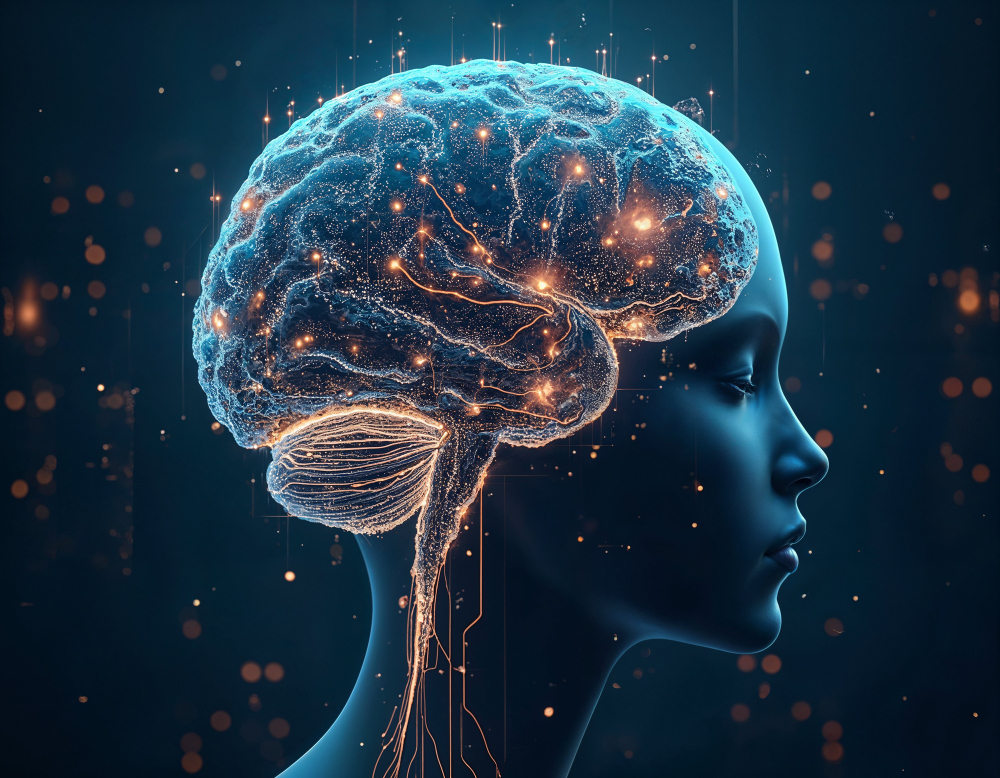
Brain mapping is the process of identifying the structures and functions of the brain. Think of it like creating a detailed Google Map of your mind. Scientists use various tools to see which parts of the brain handle different tasks, from memory to emotion to decision-making.
Key techniques include:
- fMRI (Functional Magnetic Resonance Imaging) – measures brain activity by detecting blood flow
- EEG (Electroencephalography) – records electrical activity
- MEG (Magnetoencephalography) – tracks magnetic fields produced by neural activity
- Connectomics – mapping all neural connections like a wiring diagram
Each method reveals a piece of the puzzle, helping us understand how the brain organizes thoughts and experiences.
What Brain Mapping Tells Us About Consciousness
Consciousness, the awareness of ourselves and the world, is one of the biggest mysteries in science. Brain mapping is helping answer questions like:
- Which areas of the brain are active during conscious thought?
- How do neurons interact to create awareness?
- What differentiates conscious and unconscious processes?
Key Findings So Far:
- The prefrontal cortex is heavily involved in decision-making and self-awareness.
- The thalamus acts as a hub, regulating information flow that contributes to conscious experience.
- Neural networks, not single neurons, seem to generate consciousness. It’s the pattern of activity that matters, not individual cells.
Essentially, consciousness appears less like a single “switch” and more like a symphony of networks working together.
Applications of Brain Mapping
Understanding consciousness isn’t just philosophical, it has real-world applications:
|
Application
|
How It Helps
|
Impact
|
| Medicine | Identify areas affected by injury or disease | Improve surgeries, treat disorders like epilepsy |
|
Mental Health
|
Map regions involved in depression, anxiety, or addiction | Target therapies more effectively |
|
AI & Neuroscience
|
Inform brain-inspired computing
|
Improve machine learning and neural networks
|
| Sleep & Awareness Studies | Study sleep stages and anesthesia effects | Optimize treatments and safety protocols |
These applications show that brain mapping isn’t just theory, it’s improving lives.
Challenges and Ethical Considerations
Despite advances, brain mapping has hurdles:
- Complexity: The brain has ~86 billion neurons, mapping every connection is a massive task.
- Privacy: Brain data is intensely personal. Who owns your thoughts?
- Interpretation: Activity patterns don’t always translate to meaning, decoding consciousness is tricky.
Scientists urge caution and ethical frameworks as this field progresses.
The Future of Consciousness Research
The next decade promises exciting developments:
- Higher-resolution mapping: Seeing neurons and connections in unprecedented detail
- Real-time brain monitoring: Tracking thoughts as they happen
- Brain-computer interfaces: Potentially allowing communication for people who are paralyzed or locked-in
- Understanding altered consciousness: From meditation to psychedelics
The more we map, the closer we get to understanding what it truly means to be conscious.
Conclusion
Brain mapping is transforming our understanding of the human mind. By visualizing activity, connections, and networks, scientists are uncovering the neural basis of thought, emotion, and consciousness itself. While many mysteries remain, this research is a huge step toward answering questions that have puzzled humans for centuries: What makes us aware? How does thought arise? And can we ever fully understand the mind?
The frontier is vast, but the map is slowly coming together.
Frequently Asked Questions about Human Brain Mapping
fMRI tracks blood flow to measure brain activity, while EEG measures electrical signals from neurons. fMRI gives structure and location; EEG gives timing and patterns.
Yes. By identifying which brain regions are involved in disorders, doctors can tailor therapies and interventions more effectively.
Not yet. We can see patterns of activity, but interpreting specific thoughts is still beyond current science.
Yes, most non-invasive methods like fMRI and EEG are safe. Invasive methods are used carefully in medical contexts.
We’re making progress, but consciousness remains a complex puzzle. Brain mapping is helping, but many pieces are still missing.